
Three paid appointments can look like a good day until driving, loading and a vehicle problem swallow the hours between them. When you’re starting a mobile business, test the whole working day before committing to a bigger service area, more equipment or an expensive van.
Choose one service and a manageable area
Start with an offer you can describe clearly: what you do, who buys it and what they receive. For a mobile detailer, that could be one interior-cleaning package booked at customers’ homes within a defined area. Specify what the package includes before quoting a price.
Speak with potential customers about when they would book, where the work could happen and what they currently pay for alternatives. Ask whether they would purchase a small paid trial. Their willingness to schedule and pay tells you more than enthusiasm for the idea alone.
Some businesses involve a recurring service route rather than appointments. If you are considering a vending machine route business, ZenBusiness’s guide covers machine locations, startup planning and the stocking work involved. The machines remain at customer locations; you travel to replenish inventory and service them. Check access hours and arrangements with each property owner before planning your visits.
For detailing, confirm there is suitable space to work and agreed access to water or power if your setup requires them. Ask the property owner and relevant local authority about applicable site and wastewater requirements. A booking is only workable if you can perform the service there.
Price the route as well as the job
Map a sample day from departure to return. Include loading, travel, parking, setup, the service itself and cleanup. Allow for customer handovers and unloading back at base. Test the journey at the times you expect to work; a map’s distance cannot tell you how easily you will reach a particular driveway or loading area.
Offer bookings in the same area on the same day when customers can accommodate that schedule. Check building access and parking before promising an arrival time. For a vending route, include the time needed to move stock from the vehicle to each machine.
Use a hypothetical day to test your price. Suppose you collect $300, spend $60 on direct expenses and work six hours across servicing, travel and preparation. You have $240 left before taxes and remaining overhead, or $40 for each of those hours. That is an illustration, not a market rate or take-home pay.
Then account for recurring costs such as insurance, software and vehicle payments, plus unpaid work finding customers. According to the Small Business Administration’s startup-cost guidance, separating one-time purchases from monthly expenses helps build a fuller financial picture. Keep a repair reserve in that budget. Set a minimum for what the business needs to pay you, allowing for taxes, and use the trial’s actual figures to see whether the route can support it.
Check the vehicle and operating requirements
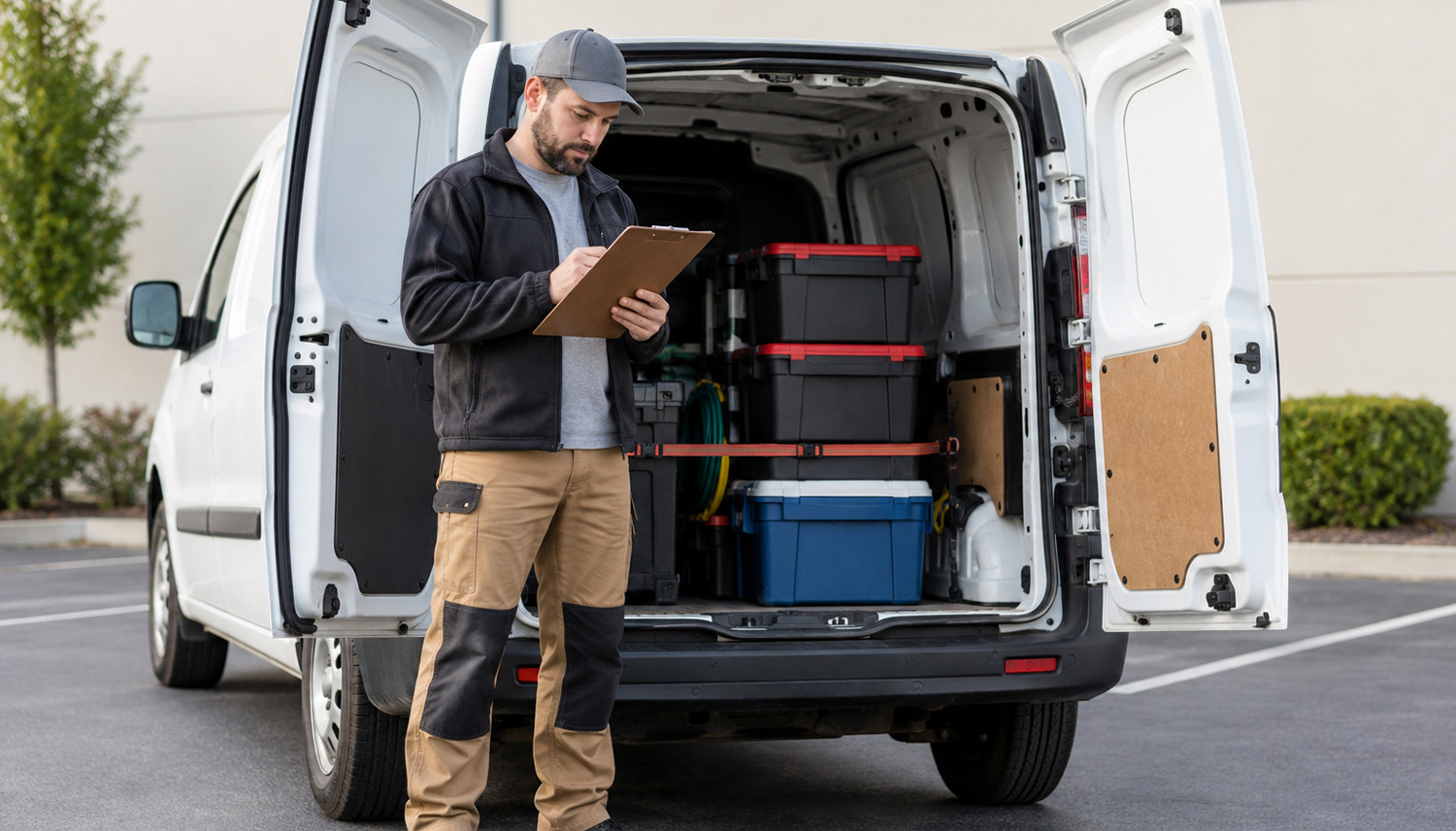
List what you need to carry before choosing a vehicle. Include the weight of equipment, stock and supplies, along with occupants, and check the manufacturer’s load limits. Think about securing the load and accessing frequently used items without unloading everything.
If buying a used vehicle, budget for an independent mechanical inspection before committing. The FTC’s used-car guidance explains that a vehicle history report does not replace an inspection. Give the mechanic a description of the work and loads you expect the vehicle to handle.
Check operating requirements before accepting paid work. The SBA’s licensing guidance notes that requirements vary by activity and location. Ask the relevant state and local authorities about your service, base and intended operating locations; there is no single permit checklist that fits every mobile business.
Tell your insurance agent how you will use the vehicle, who will drive it and what it will carry. The National Association of Insurance Commissioners warns that personal policies may exclude business-related liability. Ask about the vehicle, equipment and customer-property risks separately, and get clarity on any replacement vehicle you might use.
Find a mechanic before you need urgent repairs
Choose a repair shop while you have time to compare options. Ask other business owners for recommendations, then check whether the shop works on your vehicle’s make and model and can accommodate its size and installed equipment. Discuss appointment availability and how the shop communicates if a repair takes longer than expected.
The FTC’s auto-repair advice recommends finding a shop before an urgent need and asking for a written estimate. Ask about diagnostic charges, repair warranties and approval before additional work. A routine service visit gives you a chance to assess communication before a breakdown threatens customer bookings.
Build the maintenance plan around the manufacturer’s schedule for your actual driving conditions. Keep mileage and service records, and schedule planned work between bookings. An established shop gives you a known contact when a vehicle problem threatens booked work.
For help understanding automotive issues, RodsShop offers DIY repair guidance and resources. Use that information to prepare questions for your mechanic.
Include tires in your regular checks. NHTSA recommends checking cold tire pressure at least monthly, including the spare, against the vehicle label or owner’s manual. The maximum pressure printed on the tire is not the vehicle’s recommended setting.
Run a paid trial and plan for downtime
Once the operating requirements are resolved, book a small trial within your chosen area. Agree on the service, price and access arrangements. Use the package and fee you intend to offer regularly, so the trial tests an offer you can repeat. Record four things:
- Work and revenue: what customers booked and what you collected.
- Time and mileage: the full day, including preparation, travel and administration; record travel time between stops, too.
- Costs and delays: supplies, fees, access problems and unexpected requests.
- The next change: adjustments to the service, area, schedule or price.
Prepare for a day when the vehicle is unavailable. Keep your repair shop and towing contacts accessible, along with customer details and a clear rescheduling process. Before relying on a rental or borrowed vehicle, check cargo suitability, commercial-use permission and insurance arrangements. If a safe replacement is unavailable, tell customers promptly and offer realistic new dates.
Use the trial record to change the offer before expanding. If driving consumes too much of the day, tighten the service area or group bookings differently. If the work itself takes longer than the price allows, revise the package or fee before selling the same appointment again.