
Scrolling feels harmless until it isn’t. This post unpacks the hidden toll of constant social media use on mental health, and how prioritizing real-life connections, boundaries, and mindful habits can help you reclaim balance, reduce anxiety, and build genuine, lasting relationships.
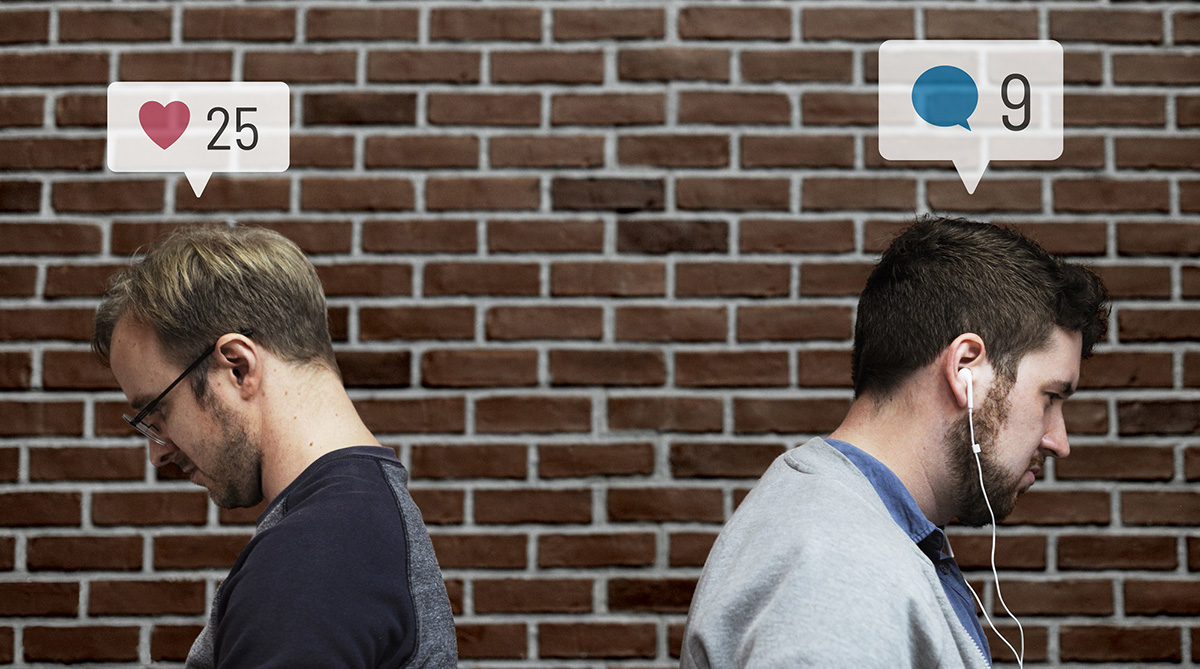
In today’s digital age, social media has woven itself into the fabric of daily life, providing a platform for connection, expression, and information sharing. However, it’s essential to recognize the profound impact constant online engagement can have on mental health. Numerous studies suggest a correlation between excessive social media use and increased feelings of anxiety, depression, and loneliness. These platforms, while offering a sense of belonging, often present curated versions of reality that can distort self-perception and lead to unhealthy comparisons.
The feedback loop of likes, comments, and shares can create a dopamine-driven cycle, making it challenging to disconnect and leading to a dependency that affects mental wellness. It’s not uncommon to feel left out or inadequate when scrolling through highlight reels of friends’ lives, especially when comparing yourself to carefully curated posts showcasing a fancy dress or seemingly perfect lifestyle. Moreover, exposure to cyberbullying and online negativity further exacerbates stress and mental exhaustion. Acknowledging these impacts is the first step toward mitigating negative outcomes.
Understanding these dynamics can empower you to engage with social media intentionally and mindfully. By becoming aware of the signs of social media-induced stress, you can begin to take proactive steps to protect your mental well-being. It’s important to foster a healthy relationship with these platforms by setting boundaries and prioritizing real-life connections over virtual interactions. Supporting your overall well-being through healthy habits—and, where appropriate, nutrients such as Magnesium Glycinate—can also complement your efforts to manage stress and maintain balance.
The Importance of Real-Life Connections
While social media offers a bridge to connect with others, real-life interactions are irreplaceable when it comes to fostering genuine relationships and enhancing mental health. Physical presence and face-to-face communication are crucial for developing empathy and understanding, which are often lost in digital communication. Engaging with others in person allows you to read body language and tone, creating a more nuanced and meaningful connection. Participating in group activities, including athletic training programs, can further strengthen these social bonds while supporting both physical and mental well-being.
Human beings are inherently social creatures, and forming close relationships is vital for emotional support and overall life satisfaction. These relationships provide a buffer against stress and can improve resilience in facing life’s challenges. Real-life connections also encourage you to be present, which can enhance mindfulness and reduce feelings of anxiety and isolation.
Investing time in building and maintaining these relationships can significantly contribute to a sense of belonging and community. Whether it’s sharing a meal, participating in group activities, or simply spending quality time with loved ones, these experiences foster a sense of joy and fulfillment that is difficult to replicate online. Much like a Creative agency brings people together through collaboration and meaningful ideas, prioritizing real-life interactions helps cultivate a balanced lifestyle that supports mental and emotional well-being.
Signs of Social Media Overuse

Recognizing the signs of social media overuse is crucial for maintaining mental health and well-being. One of the most common indicators is a significant amount of time spent on these platforms at the expense of other activities. If you find yourself mindlessly scrolling for hours, neglecting responsibilities, or sacrificing sleep, it may be time to reassess your relationship with social media.
Another sign is the feeling of anxiety or distress when unable to access these platforms. This dependency can manifest as a compulsion to check notifications constantly, leading to disrupted focus and productivity. You might also notice a decline in mood or self-esteem after engaging with social media, often triggered by comparisons with others or exposure to idealized images, such as influencers showcasing Kanwal Malik dresses or other luxury lifestyles.
Social media overuse can also manifest in physical symptoms such as eye strain, headaches, and disrupted sleep patterns. Being aware of these signs allows you to take action before they significantly impact your mental and physical health. By identifying these symptoms early on, you can implement strategies to regain control and establish a healthier balance between online activities and offline life.
Strategies for Finding Balance
Achieving a healthy balance between social media use and real-life connections requires intentional effort and mindful strategies. Start by assessing your current usage patterns and identifying areas where improvements can be made. Consider implementing a digital detox by setting specific times during the day to disconnect from your devices and engage in offline activities.
Developing a schedule that allocates time for social media use and time for personal interactions can help maintain balance. Prioritize activities that promote well-being, such as exercise, hobbies, or spending time in nature. These activities not only serve as a break from screens but also contribute to overall mental health and happiness.
Incorporating mindfulness practices into your routine can also help you remain present in the moment and reduce anxiety related to social media. Techniques such as deep breathing, meditation, or journaling can center your thoughts and promote a sense of calm. By consciously choosing to engage with social media less and focusing on real-world interactions, you can create a more harmonious lifestyle that supports your mental well-being.
Setting Healthy Boundaries with Social Media
Establishing clear boundaries around social media use is crucial for protecting your mental health. Begin by setting specific limits on the amount of time you spend on these platforms daily. Utilize tools and apps that monitor screen time and send reminders when you’ve reached your preset limits. This approach can help you become more aware of your usage patterns and encourage you to stick to healthier habits.
Consider designating certain areas of your home as phone-free zones, such as the bedroom or dining area. This practice encourages you to disconnect and focus on being present with those around you. Additionally, schedule regular breaks throughout the day where you step away from screens altogether. Use this time to engage in activities that bring you joy and relaxation.
Communicate your boundaries to friends and family, so they understand and respect your need for balance. By being open about your goals, you can foster an environment that supports healthier social media habits. These boundaries not only protect your mental health but also enhance the quality of your real-life interactions, allowing for more meaningful connections.
The Role of Digital Detox in Mental Wellness
A digital detox involves taking a deliberate break from digital devices, particularly social media, to recharge and rejuvenate your mind. This practice can be pivotal in restoring mental clarity and reducing the stress associated with constant connectivity. By stepping away from screens, you allow yourself the space to reflect, relax, and engage with the physical world around you.
During a digital detox, focus on activities that promote well-being, such as reading, exercising, or exploring new hobbies. These activities can help you reconnect with your interests and passions, providing a sense of achievement and fulfillment that is often lacking in online interactions. Additionally, spending time in nature has been shown to reduce stress and enhance mood, making it an ideal component of a digital detox.
Regular digital detoxes can help reset your relationship with technology, allowing you to return to social media with a refreshed perspective and a healthier approach. By incorporating these breaks into your routine, you can maintain a sustainable balance between digital engagement and real-life experiences, ultimately supporting your mental health and overall well-being.
Building Meaningful Relationships Offline
Building meaningful relationships offline is essential for a fulfilling and balanced life. Start by nurturing existing relationships with family and friends by spending quality time together. Plan regular meet-ups, whether it’s a casual coffee date or a weekend getaway, to strengthen these bonds and create lasting memories.
Expanding your social circle by joining clubs, classes, or community groups related to your interests can also enhance your offline connections. These activities provide opportunities to meet like-minded individuals and build new friendships based on shared passions and values. Engaging in volunteer work is another excellent way to connect with others while contributing to a cause you care about.
Focus on developing deep, authentic relationships by practicing active listening and showing genuine interest in others’ lives. By being present and attentive, you foster an environment of trust and mutual respect. These meaningful connections not only enrich your life but also provide a supportive network that enhances your emotional resilience and overall happiness.
Tips for Mindful Social Media Usage
Practicing mindful social media usage involves being intentional and aware of how and why you engage with these platforms. Start by defining your purpose for using social media and setting clear goals, whether it’s staying informed, connecting with friends, or promoting your work. This clarity can guide your interactions and prevent mindless scrolling.
Curate your social media feeds to include content that inspires and uplifts you. Unfollow or mute accounts that trigger negative emotions or contribute to feelings of inadequacy. Instead, seek out communities and creators that promote positivity and align with your values. This approach can transform your online experience into a source of motivation and support.
Implement mindful practices such as taking deep breaths before posting or engaging with content, and regularly checking in with your emotions during social media sessions. Reflect on how your interactions make you feel and adjust your habits accordingly. By approaching social media with awareness and intention, you can harness its benefits while minimizing its potential drawbacks.
Resources for Mental Health Support
If you find that social media is having a significant impact on your mental health, it’s important to seek support. Numerous resources are available to help you navigate these challenges and improve your well-being. Mental health professionals, such as therapists and counselors, can provide personalized guidance and coping strategies.
Online support groups and forums offer a sense of community and understanding for those experiencing similar issues. These platforms can be a valuable source of encouragement and advice. Additionally, many organizations provide free or low-cost mental health resources, including hotlines, workshops, and educational materials.
Utilizing these resources can empower you to take control of your mental health and develop healthier relationships with social media. Remember, seeking help is a sign of strength, and there is no shame in reaching out for support when needed. By accessing these tools, you can enhance your mental resilience and foster a more balanced and fulfilling life.
Conclusion: Embracing Balance in a Digital World
In conclusion, finding balance between social media and real-life connections is essential for maintaining mental health in today’s digital world. By understanding the impact of social media, prioritizing genuine relationships, and implementing mindful strategies, you can create a harmonious lifestyle that supports your well-being. Set healthy boundaries, engage in regular digital detoxes, and build meaningful offline connections to foster a sense of fulfillment and joy.
Remember, the key to navigating social media and real connections lies in intention and awareness. By approaching these aspects of life with mindfulness, you can harness the benefits of technology while preserving your mental and emotional health. Embrace the journey toward balance and prioritize what truly matters: meaningful connections and a happy, healthy mind.