
Most beginners assume supplements are the fast lane to results, so they grab what looks good on the label and start stacking. That is where things go wrong. These are the most common supplement mistakes beginners make, and exactly how to avoid each one from the start.
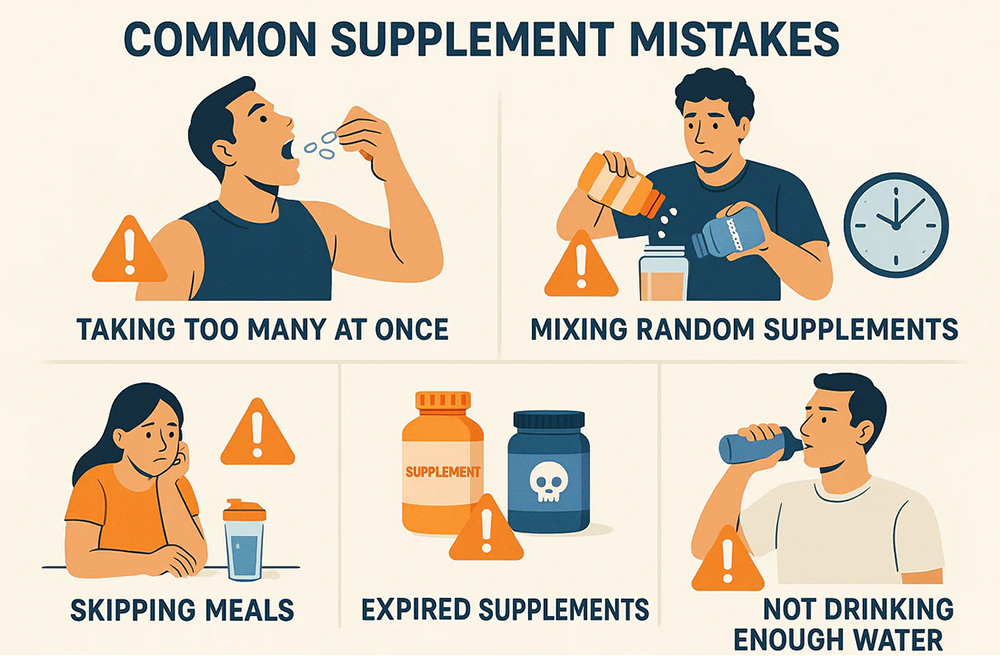
Embarking on a fitness journey is an exciting endeavor, and supplements often seem like a quick pathway to achieving desired results. However, understanding supplements beyond the label is crucial. Supplements are designed to complement your diet and not replace it. They can be beneficial in filling nutritional gaps that may arise from dietary restrictions or specific fitness goals.
As a beginner, it is important to recognize that supplements are not magic solutions. They work best when paired with a balanced diet and consistent exercise regimen. This means that the foundation of your fitness should be built on whole foods, proper hydration, and adequate rest. While products from a supplement store can enhance your performance and recovery, they cannot compensate for poor lifestyle choices or a lack of discipline in your fitness routine.
Moreover, understanding the types of supplements available is essential. From protein powders to vitamins and minerals, each supplement serves a unique purpose. Identifying what your body needs requires a thoughtful approach, as well as an understanding of how these supplements interact with your body and other nutritional elements. Always take the time to research and seek guidance from credible sources before integrating supplements into your routine.
Common Supplement Mistakes Fitness Beginners Make
You may encounter dozens of supplement options the moment you step into a gym or open a fitness app. The supplement mistakes beginners make most often are not about choosing the wrong brand. They are about misunderstanding what supplements are for, how much to take, and when to rely on them at all. Understanding these pitfalls is the first step toward making informed choices that align with your fitness objectives and support a successful body transformation.
Mistake #1: Over-Relying on Supplements
Many beginners fall into the trap of over-relying on supplements, assuming they are a shortcut to fitness success. It is easy to get caught up in marketing claims and assume that supplements alone will yield dramatic results. However, the key to successful supplementation is understanding that these products are meant to enhance, not replace, a healthy diet and exercise plan.
Over-reliance on supplements can lead to neglect of essential food groups, resulting in nutritional imbalances. Real food provides a complex mix of nutrients that supplements cannot replicate. Without a balanced diet, you may miss out on vital nutrients that are crucial for overall health and fitness progress.
To avoid over-relying on supplements, prioritize whole foods and use supplements to address specific deficiencies or support targeted fitness goals. Remember, supplements should complement your lifestyle, not define it. A varied and nutritious diet should always be your primary focus.
Mistake #2: Neglecting Whole Foods
In the quest for rapid fitness gains, beginners sometimes neglect the importance of whole foods. Whole foods offer a wide array of nutrients, fiber, and antioxidants essential for optimal health, which supplements alone cannot provide. By relying solely on supplements, you might miss out on these critical components.
Whole foods also provide the necessary energy and macronutrients required for effective training sessions. Carbohydrates from whole grains are a primary energy source, while protein from lean meats and legumes aids in muscle repair and growth. Neglecting these foods can lead to decreased performance and delayed recovery.
To ensure you are not neglecting whole foods, aim to include a variety of fruits, vegetables, lean proteins, and healthy fats in your diet. Use supplements to fill in any nutritional gaps, but always start with a strong foundation of whole, nutrient-dense foods.
Mistake #3: Taking Unverified Products
With a plethora of supplements available on the market, it is crucial to be discerning about the products you choose. This is one of the supplement mistakes beginners make that carries real risk. Many beginners take supplements without verifying their authenticity or quality, and unverified products can be ineffective at best and harmful at worst.
The supplement industry is not as tightly regulated as the pharmaceutical industry, allowing for the circulation of products that may contain harmful ingredients or inaccurate labeling. This means there is a risk of consuming products that do not meet safety standards or that include banned substances.
To avoid this mistake, look for supplements that have been third-party tested and verified for quality and purity. Certifications from organizations such as NSF International or Informed-Choice can provide assurance that the product meets high standards. Always purchase from reputable brands and consult with a healthcare professional before starting any new supplement.
Mistake #4: Ignoring Personal Needs and Goals
Fitness is not one-size-fits-all, and neither are supplements. Beginners often make the mistake of using supplements that do not align with their unique health needs or fitness goals. It is essential to tailor your supplement regimen to your specific objectives, whether that is building muscle, losing weight, or enhancing endurance.
Ignoring personal needs can lead to wasted time and resources on supplements that do not support your goals. For example, taking mass gainers when your goal is weight loss can be counterproductive. Similarly, athletes focusing on endurance may require different supplementation than those working on strength and power.
To avoid this mistake, clearly define your fitness goals and assess your nutritional needs. Consider factors such as age, gender, activity level, and dietary preferences. Consulting with a nutritionist or fitness expert can provide personalized recommendations that align with your individual goals and needs.
Mistake #5: Not Consulting with Professionals
One of the most significant supplement mistakes beginners make is skipping professional guidance altogether before starting a supplement regimen. A healthcare provider or registered dietitian can offer valuable insights into which supplements are appropriate for your specific health status and fitness goals.
Without professional consultation, you risk taking supplements that could interact negatively with medications or exacerbate existing health conditions. Additionally, self-prescribing supplements based on anecdotal evidence or marketing claims can lead to ineffective or unsafe usage.
To avoid this mistake, seek advice from a registered dietitian, nutritionist, or healthcare provider. They can help you understand the benefits and risks associated with various supplements and tailor a plan that supports your fitness journey safely and effectively.
How to Choose the Right Supplements for Your Fitness Journey
Choosing the right supplements involves careful consideration of your individual needs and goals. Start by conducting thorough research on the supplements you are interested in, ensuring they are backed by scientific evidence and align with your fitness objectives.
Begin by identifying gaps in your diet that supplements could potentially fill. This might include insufficient protein intake, a lack of specific vitamins, or the need for enhanced recovery support. Once you have identified these gaps, focus on selecting high-quality supplements that target these areas.
When choosing supplements, consider factors such as dosage, ingredients, and potential side effects. Always read labels carefully and opt for products with transparent ingredient lists. The best supplement is one that complements your diet and enhances your fitness performance without compromising your health.
Tips for Safe and Effective Supplement Use

Knowing the supplement mistakes beginners make is only half the equation. The other half is building a safe, consistent routine around the supplements you do choose. These practical habits will help you get real value from your regimen without unnecessary risk.
Stay Informed
Keep up to date with the latest research and guidelines on supplement use. Knowledge is the foundation of every good decision you make in the gym and the kitchen. Credible sources such as registered dietitians, peer-reviewed journals, and certified sports nutrition organizations are your best starting points.
Start Slowly
Begin with a lower dosage to assess how your body responds before gradually increasing to the recommended dose. Jumping straight to the maximum serving is one of the supplement mistakes beginners make that is entirely avoidable with a little patience.
Monitor Your Progress
Keep a journal to track any changes in your performance, energy levels, or recovery times. This can help you assess the effectiveness of your supplements and make adjustments when something is not working as expected.
Stay Hydrated

Proper hydration is essential when taking supplements, particularly those that support muscle growth and recovery. Many beginners overlook this step entirely and then wonder why their results are slower than expected.
Avoid Mixing Without Guidance
Some supplements can interact negatively with each other. Consult a professional if you are considering combining multiple products. Stacking without guidance is one of the more dangerous supplement mistakes beginners make, and it is one of the easiest to prevent.
Building a Balanced Approach to Fitness and Supplements
Supplements can play a valuable role in supporting your fitness journey, but they should be used as part of a balanced approach that prioritizes whole foods, regular exercise, and professional guidance. By understanding the supplement mistakes beginners make and choosing more carefully, you will be better equipped to select products that truly enhance your health and fitness goals.
The foundation of any successful fitness program is a well-rounded lifestyle that includes nutritious eating, consistent physical activity, and adequate rest. Supplements should be a complement to these elements, not a replacement. With careful planning and professional input, you can create a personalized supplement strategy that aligns with your individual needs and helps you achieve your fitness aspirations.
This guide explained everything clearly.
I learned something new from this post.