
Simple Seasonal Self-Care Tips to Boost Your Mood and Balance Year-Round
Seasonal self-care tips help you protect your mood and emotional balance as life changes. Instead of forcing one routine all year, you adjust with the seasons. As light, schedules, and energy shift, your habits can shift too. That flexibility keeps self-care realistic, steady, and supportive rather than stressful.
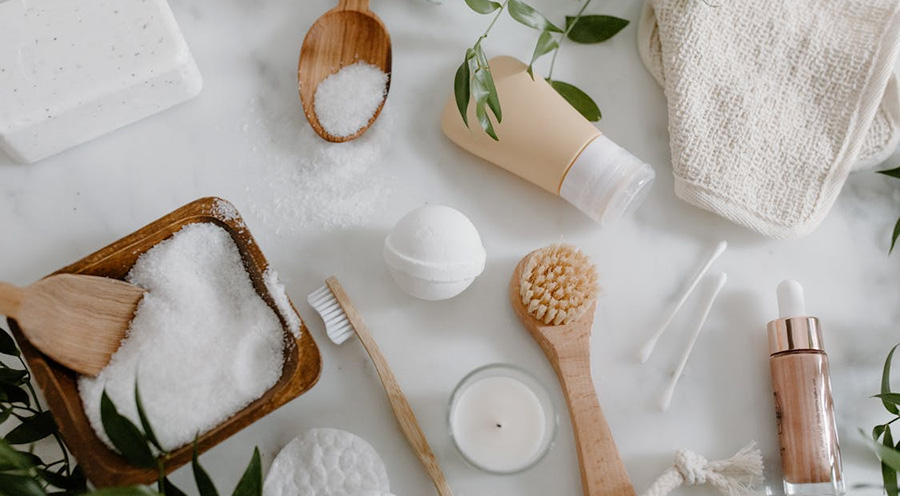
Adults managing mental health, chronic pain, and everyday well-being often find that traditional self-care routines collapse when life gets busy or symptoms flare. It’s not about laziness or weak willpower. The problem is trying to force the same routine through shifting energy, weather, schedules, and emotional needs. That’s where seasonal self-care tips can help. By adjusting routines to match the seasons, self-care becomes more supportive and less stressful. With the right year-round strategies, caring for yourself feels less like a test and more like a source of stability.
Understanding Seasonal Self-Care Rhythms
Seasonal self-care means changing your habits as the year progresses rather than trying to repeat the same routine all year. At its core, seasonal self-care encourages you to align your actions with your seasonal needs, helping your energy and mood stay balanced.
Why does this matter? Our bodies and minds naturally respond to light, weather, and workload shifts. Even if you wish they wouldn’t, seasonal changes influence energy and emotions. Seasonal affective disorder (SAD) shows how mood can follow predictable seasonal patterns.
Think of seasonal self-care as reorganizing your closet twice a year. Warmer months invite outdoor walks and social plans. Colder months call for extra rest, cozy movement, and brighter mornings. This mindset makes seasonal routines feel easier to adopt and maintain.
12 Low-Pressure Seasonal Rituals

Seasonal self-care works best when it matches your natural energy and schedule. Instead of forcing a rigid routine, pick gentle options that fit each season. Start with one ritual per season to keep it manageable.
- Spring: 10-minute “fresh start” reset: Clear one small surface, such as your nightstand, bathroom counter, or mail pile. It’s a simple spring ritual that creates visual calm. Small wins also encourage other habits, like preparing a water bottle or laying out walking shoes.
- Spring: Declutter one category, not a whole room: Focus on a mini-category, such as mugs, T-shirts, or bath products. Sort into keep, donate, and recycle/trash piles. The goal is momentum, not perfection. For chronic pain, sit at a table to bring items to you. Learn more about decluttering your living space.
- Spring: Add a “daylight anchor” habit: Tie one simple action to morning light. Open blinds while heating your kettle, step outside for two minutes, or do five gentle stretches near a window. This gently activates your body without pressure.
- Summer: Heat-proof hydration ritual: Keep water where you naturally pause, like the desk, couch, or bedside. Take 6–10 sips whenever you check messages or stand. Add sensory elements like lemon, cucumber, or herbal tea to boost mood.
- Summer: Micro-movement after sitting: After 30–60 minutes of sitting, do one minute of movement: march in place, shoulder rolls, or wall push-ups. This uses the season’s energy without demanding a full workout and is adjustable for pain days.
- Summer: 20-minute “social sunlight” plan: Pair connection with an easy activity once a week. Take a short walk-and-talk call, sit outside with a neighbor, or enjoy a drink on the porch. Short, consistent interactions protect your mood more than long, occasional events.
- Fall: Sunday “week buffer” sweep: Spend 15 minutes restocking items that prevent stress: cozy socks, pain relief tools, chargers, or easy meals. Short preparation buffers you against darker, busier weeks.
- Fall: 5-minute transition ritual at dusk: Change into comfortable clothes, wash your face, and dim one light when work ends. This signals your nervous system to downshift, creating steadier evenings during seasonal mood shifts.
- Fall: “Good enough” movement menu: List three options for high-, medium-, and low-energy days (example: 20-minute walk, 10-minute mobility, 3-minute stretch). Seasonal flexibility helps maintain self-care on low-motivation days. Research shows self-care reduces stress and improves quality of life.
- Winter: Cozy recovery corner: Choose one chair and stock it with essentials: blanket, heating pad, lip balm, book, charger. Winter relaxation works best when habits are friction-free.
- Winter: 3-question reflection check-in: Once a week, answer: “What’s draining me?”, “What’s helping?”, “Who/what can support me?” This reflection tool highlights patterns and lets you adjust habits before exhaustion sets in.
- Winter: Gentle evening screen habit: Set a small boundary: charge your phone across the room, limit scrolling to 15 minutes, or switch to audio while stretching. This reduces alertness without demanding perfection.
By rotating these rituals each season, you maintain manageable weekly habits that adapt to real-life conditions.
Small Seasonal Habits You Can Repeat All Year
Consistency is key. Seasonal self-care sticks when habits are small, repeatable, and guided by the season. Start tiny and build naturally.
Two-Minute Seasonal Scan
- What it is: Ask, “What do I need more of this season: rest, light, movement, connection?”
- Frequency: Weekly
- Benefit: Keeps adjustments intentional, not reactive.
One Joy Appointment
- What it is: Schedule one small pleasure activity and protect it like a meeting.
- Frequency: Weekly
- Benefit: Embeds mood support before stress accumulates.
Anchor Action After Waking
- What it is: One small cue-driven action like water, opening curtains, or a stretch.
- Frequency: Daily
- Benefit: Research shows consistency matters more than intensity.
Five-Minute Home Reset
- What it is: Reset one zone, such as dishes, entryway, or bathroom counter.
- Frequency: 3–5 times weekly
- Benefit: Reduces visual clutter and lowers daily friction.
Three-Choice Movement Menu
- What it is: Keep three options for low, medium, and high energy days.
- Frequency: Review weekly
- Benefit: Supports follow-through even on pain or busy days.
Pick one habit, adjust for your lifestyle, and embrace “good enough.”
Seasonal Self-Care Q&A for Busy Life
Q: How can I adjust self-care to match seasonal energy and maintain emotional balance?
A: Think in seasonal swaps instead of total overhauls. Brighter months call for light activity and social time; darker months need rest and cozy routines. Keep one anchor habit year-round, like morning light exposure or hydration. A weekly two-minute check-in lets you adjust intentionally.
Q: What daily habits reduce stress and support mood without being overwhelming?
A: Keep habits tiny enough for tough days: a glass of water, two minutes outside, or a five-breath pause. Even quiet time calms the mind. Think “minimums” first; extras are bonuses.
Q: How do seasonal changes affect joy and motivation, and how can I respond gently?
A: Light, schedules, and stress shift mood naturally. Lower motivation isn’t failure. About 1 in 8 people face global mental health challenges. Scale down routines, rest earlier, enjoy warm meals, or take short walks when energy dips.
Q: How can small, intentional rituals increase connection and grounding?
A: Rituals create emotional anchors, like tea by a winter window or an evening stretch in summer. Tie them to cues you already have. Repeatable, manageable habits maintain steadiness without perfection.
Q: How can a personalized calendar support seasonal self-care?
A: Use photos and key dates to keep priorities visible during stress. Add recurring prompts, like weekly resets or one joy plan, and review weekly to avoid overload. Photos also act as mood anchors; creating a personalized calendar brings cues into daily life.
Make One Seasonal Habit Stick for Steadier Moods
When life is busy, self-care can feel like an extra chore. Moods shift with seasons, too. A flexible approach grounded in compassion emphasizes realistic choices over perfection.
Start with a single seasonal shift. Place it where you see it—on your calendar, counter, or phone. Over time, these small adjustments support long-term emotional balance. When habits are simple, visible, and tied to the season, they grow into reliable routines that make everyday life steadier and more resilient.
Remember, seasonal self-care tips are about adapting, not overhauling. Small, consistent actions keep your body, mind, and mood supported all year.