
Most people want to feel better, learn something useful, and stay more connected, but life stays busy and starting feels hard. These fun hobbies for wellness are built for real schedules, tight budgets, and anyone who has ever said they just do not have the time.

Car owners and hobbyist mechanics often spend their free time thinking about the next repair, the next confusing tool, or the next expensive shop visit. That practical pressure can quietly crowd out mental health improvement, movement, and the kind of relaxed connection that makes weekends feel restorative. Fun hobbies for wellness offer a simple reset: small skills learned online or with friends that bring a steadier mood, a clearer head, and real physical health benefits without demanding a big schedule overhaul. A good hobby can make garage life feel lighter.
Why Skill-Building Hobbies Help You Feel Better
A hobby works best when it is more than a time-filler. When you develop new skills through a hobby, you build confidence, create calm focus, and give your days a steady sense of progress. Over time, small wins support personal growth and make space for movement and real connection.
This matters when your brain is already full of maintenance questions and money worries. A purposeful hobby becomes a form of self-care, matching the practice of taking intentional action to protect your mental and physical health. It can also pull you toward people who enjoy the same things, which makes stress feel lighter.
Think about learning one new task, like checking tire pressure weekly or swapping a cabin filter. Each repeat gets smoother, your body stays active, and you feel more in control than anxious. That is the quiet power of fun hobbies for wellness: steady practice that fits your week and your garage life.
10 Beginner-Friendly Hobbies to Try: Solo, Online, or With Friends
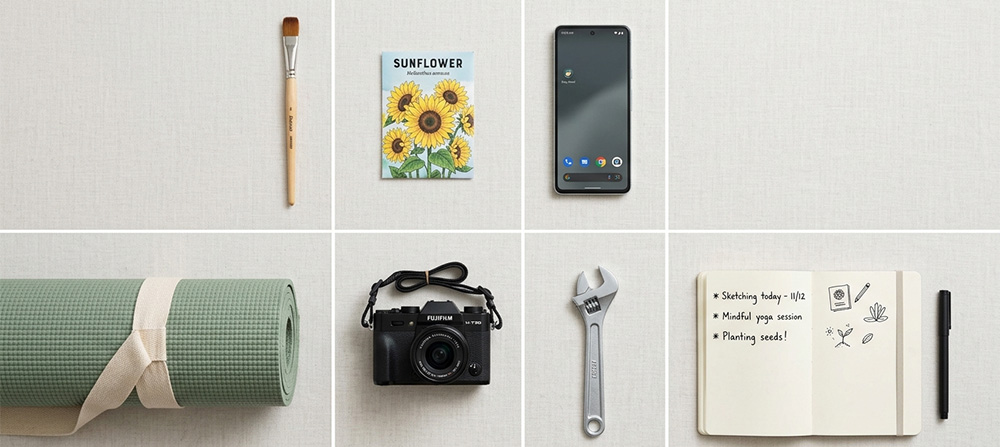
These fun hobbies for wellness work best when you treat them like a good maintenance routine: start small, keep it realistic, and enjoy the steady progress. The best options build calm, confidence, and connection without turning your free time into another chore.
Try a “10-Stroke” Painting Warm-Up
Start with basic painting techniques for beginners: make 10 straight strokes, 10 curved strokes, and 10 blended strokes using just two colors. It is low-pressure, but you will feel quick progress, the same satisfaction as tightening something to spec. Share a photo with a friend or an online group to add gentle accountability and a little community.
Do a 12-Minute Yoga Reset After Garage Time
Yoga for physical and mental health works best when it is consistent, not intense. Try a simple flow: cat-cow, child’s pose, low lunge, and a slow forward fold, about 2 to 3 breaths each. It counterbalances time spent leaning over an engine bay and can help your mind shift out of problem-solving mode when you are done.
Use a Language Platform for Micro-Lessons During Idle Time
Choose one language learning platform and set a tiny target: one lesson while waiting in the pickup line, before your first coffee, or during a parts-store run. Focus on phrases you can actually use, like greetings, directions, and numbers, so you get quick wins. If you want a social angle, practice with a friend once a week by texting a few sentences back and forth.
Learn Photography Basics With a Weekly Car and Light Challenge
Take 10 photos of the same subject (your wheel, headlights, tools, or a dashboard texture) from different angles. Practice just two photography basics: clean light (shoot near a window or at golden hour) and steady framing (brace your elbows like you are holding a torque wrench). Post your best one to a group chat. Feedback makes learning feel lighter.
Start a Wellness-Friendly Garden With a Two-Container Setup
Gardening for wellness can be as simple as two pots: one herb you will actually use and one pollinator flower for color. Spend 5 minutes a day watering and checking leaves, think of it as a calm inspection ritual. If you want a buddy version, swap cuttings or seeds with a neighbor or friend.
Build DIY Auto Repair Skills With One Tiny Diagnostic Habit
Pick one system to learn first, battery and charging, tires and brakes, or fluids, and do a 10-minute check once a week. Keep a notes page with dates and what you found. Confidence grows fast when you can see patterns. A surprising number of DIY mechanics use a diagnostic tool to decide if they can handle a repair themselves, so even basic scan-and-interpret practice can be a powerful skill-builder. You can also check out RodsShop for more tips and resources.
Choose a With-Friends Hobby Night That Rotates Roles
Make it easy: one person leads a 15-minute mini-session (a yoga flow, a paint prompt, a photo walk), and everyone else just shows up. Rotating leadership keeps it beginner-friendly and builds social connection, the part that often makes hobbies stick. If you are keeping it solo, a small online community can offer the same steady encouragement, since hobbies as a significant help to mental health shows how meaningful these skills can feel over time.
Tiny Weekly Rituals That Make Hobbies Stick
Habits matter because consistency beats intensity, especially when you are balancing family, errands, and vehicle upkeep. The rituals below are designed for real life, which is exactly where fun hobbies for wellness need to live. Keep the actions small and scheduled so your hobby time supports calmer moods and stronger DIY confidence without feeling like another big project.
Two-Minute Start Signal
What it is: Set a two-minute timer and begin any hobby with the easiest first step. Do this daily. It lowers friction and makes starting feel automatic.
Sunday Skills and Service Loop
What it is: Pair one small hobby session with one simple car check. Do this weekly. You build wellbeing and maintenance consistency in one routine.
Micro-Log Notes Page
What it is: Write one line on what you practiced and what the car needed. Do this after each session. Seeing progress builds confidence and reduces repeat mistakes.
Habit Window Expectation
What it is: Track streaks knowing 18 to 254 days can be normal for a habit to fully form. Review weekly. Realistic timelines prevent quitting when life gets busy.
Move Before You Tinker
What it is: Do a brisk five-minute walk or mobility flow before learning. Do this on most garage days. Self-rated habitual physical activity links to stronger creative output over time.
Quick Answers to Common Hobby Roadblocks
What Are Some Easy Hobbies to Start Online or With Friends?
Try low-pressure options like photo walks, beginner cooking, journaling, casual cycling, or a garage skills hour where you learn one simple maintenance task like checking tire pressure or swapping wiper blades. Keeping it social makes it easier to show up, even when life feels uncertain. If budget stress is part of the pressure, remember that cost-savings is the primary reason for DIY activity, so small DIY wins can feel doubly rewarding.
How Can a Creative Skill Help You Feel More Connected?
Creative practice gives your mind a safe place to land, which can reduce stress and restore a sense of direction. Share what you are making with a friend, or join a casual meetup to turn solo time into connection. Start with a tiny kit, like a pencil and sketchpad, so you build identity as someone who creates. Fun hobbies for wellness like these give your creativity a low-pressure place to grow.
What Fitness Hobbies Also Promote Social Interaction?
Walking groups, beginner yoga classes, dance lessons, and hiking meetups are among the best fun hobbies for wellness that naturally bring people together. You can scale effort up or down, so no one gets left behind. Look for a recurring community time so you do not have to renegotiate motivation each week. Pair it with a simple post-walk car ritual like a quick fluid check to reinforce competence and calm.
How Do You Pick a Hobby When You Feel Overwhelmed?
Choose the one that solves today’s problem: stress relief, social time, or a practical skill for your vehicle and home. Limit your starter tools to a minimal set and avoid forum rabbit holes, since a newcomer coming to ask questions or seek recommendations can make any hobby feel harder than it is. Then block one small recurring time slot so your choice has a clear home on your calendar.
What Structured Learning Paths Exist for Tech-Related Hobbies?
Pick one track and follow it for a month, such as basic coding, electronics, diagnostics, or data spreadsheets for maintenance logs. Use a guided curriculum with projects and checkpoints so uncertainty does not derail you when the learning curve rises. If it starts to feel career-adjacent, look for structured certificates, community college courses, or mentored online programs that build a portfolio. If you are exploring options, you can check this out for information on online IT degrees.
Turn One Simple Hobby Into Confidence, Connection, and Purpose
It is easy to feel stuck when life is busy, tools seem expensive, and starting from zero feels intimidating. The steady way through is to keep it simple: choose one enjoyable hobby, learn in small steps, and let consistency, not intensity, do the heavy lifting. That is the whole point of fun hobbies for wellness: not perfection, but steady forward motion. As skills stack up, personal achievement shows up in everyday life as calmer problem-solving, better focus, and a quiet boost in confidence.
The best fun hobbies for wellness do not require talent, money, or a cleared schedule. They require only a small, regular commitment. Commit to one activity today, invite a friend or join a group for the social connection benefits, and track one small win. Those small wins are how purpose renewal through activities becomes a stable, resilient part of life.